Introduction to Smart Home Technology
Smart home technology has rapidly evolved, transforming the way we interact with our living spaces. Devices like Amazon Echo, Google Home, and Apple’s Siri are at the center of this innovation, acting as intelligent hubs for controlling everything from lighting to security. By integrating compatible devices, you can personalize your home’s environment, streamline everyday tasks, and enhance safety with simple voice commands. In this article, we explore five standout smart home technologies designed for seamless integration with these popular digital assistants.
1. Smart Lighting Systems
Smart lighting systems have become increasingly popular due to their flexibility and convenience. Products such as Philips Hue or LIFX bulbs work with Amazon Echo, Google Home, and Siri via Apple HomeKit. These lights let you adjust brightness, color temperature, and even color using nothing more than your voice or a smartphone app. For example, you can say “Alexa, dim the living room lights” or “Hey Google, set the kitchen lights to blue.” Many smart lighting systems offer scheduling features so that lights turn on or off automatically based on your routine or sunset times. This not only adds ambience but also contributes to energy savings by ensuring lights are only used when needed.
2. Smart Thermostats
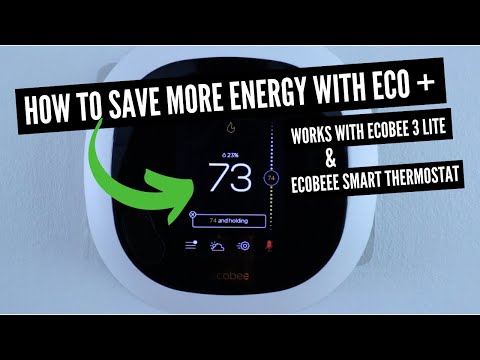
Maintaining an ideal indoor climate while optimizing energy consumption is easier than ever with smart thermostats like the Nest Learning Thermostat or ecobee SmartThermostat. These devices are compatible with Alexa, Google Assistant, and Siri-enabled ecosystems through HomeKit integration. With a simple command like “Hey Siri, set the temperature to 72 degrees,” homeowners can adjust heating and cooling without touching a dial or remote control. Learning algorithms allow these thermostats to adapt to your schedule over time for maximum efficiency and comfort. Many models include multi-room sensors so that each area of your home maintains optimal temperatures throughout the day.
3. Smart Security Cameras & Doorbells
Security is a primary concern for most homeowners and renters alike. Smart security cameras such as Arlo Pro or Ring Video Doorbell offer real-time video streaming directly to your smartphone or smart display via Alexa Show or Google Nest Hub devices. Integration with digital assistants allows hands-free monitoring; simply say “Alexa, show me the front door” for a live feed on connected displays. Some models detect motion automatically and send instant alerts if unusual activity is detected in predefined zones around your property. Features like two-way audio make it easy to communicate with visitors through voice commands alone while reviewing stored footage for added peace of mind.
4. Smart Plugs & Outlets
Smart plugs provide an affordable entry point into home automation by converting ordinary appliances into smart devices controllable by voice assistants such as Alexa, Google Assistant, or Siri via HomeKit-compatible plugs like Wemo Mini or TP-Link Kasa Smart Plug. With these devices installed in any standard outlet, users can instantly switch lamps, fans, coffee makers—or any plugged-in device—on and off by saying commands like “Alexa turn off my bedroom lamp” without getting up from bed or couch.
Sophisticated routines can also be established using schedules so that specific devices power up at sunrise or shut down when you leave for work each morning—saving both time and energy in daily life.
5. Smart Speakers & Multi-Room Audio Systems
The core value of Amazon Echo (with Alexa), Google Home (with Assistant), and Apple HomePod (with Siri) extends beyond voice controls—they double as high-quality speakers supporting multi-room audio experiences throughout the house using products like Sonos One or Bose Home Speaker series that sync seamlessly across platforms.
You can request songs from services such as Spotify or Apple Music by simply asking: “Hey Google play jazz in the dining room.” If you want synchronized music throughout every room during gatherings—or different playlists tailored individually—these systems cater easily through intuitive grouping functions managed entirely through voice commands.
The Power of Automation: Combining Devices
The real magic happens when multiple smart home technologies work in concert under one ecosystem powered by Amazon Echo/Alexa Routines; Google Home/Assistant Automations; or Apple’s Shortcuts app within HomeKit environments. You could establish a morning routine where blinds open automatically via a connected motorized shade controller while coffee brews through a smart plug-enabled machine—all triggered simultaneously by saying “Good morning” to your assistant device of choice.
This interconnectedness means fewer manual steps each day while enjoying personalized scenarios tailored exactly how you prefer—from movie night modes that lower lights and pause music automatically to vacation settings simulating occupancy while away from home.
Privacy Considerations When Using Voice Assistants
No article on smart home technology would be complete without mentioning privacy concerns associated with always-listening microphones embedded within digital assistants like Alexa speakers or Google Homes. Manufacturers have responded by offering physical mute buttons disabling microphones instantly plus granular controls allowing users review—and delete—their stored voice recordings regularly from associated apps.
When setting up any new device ensure it comes from reputable brands who provide clear privacy policies outlining what data is collected; how it’s used; plus regular firmware updates patching potential vulnerabilities before they become major issues.
Conclusion: Building Your Ideal Connected Living Space
The rapid growth of compatible accessories means virtually every household function—from lighting ambiance to security surveillance—can now be controlled effortlessly using Amazon Echo/Alexa; Google Home/Assistant; or Apple/Siri platforms depending on personal preference (and existing device ecosystems). Start small—with one category above—and expand gradually as needs evolve knowing interoperability will maximize convenience long-term while keeping control literal at your fingertips—or just a spoken word away!